Why Does Silver Jewellery Tarnish? Everything You Need to Know
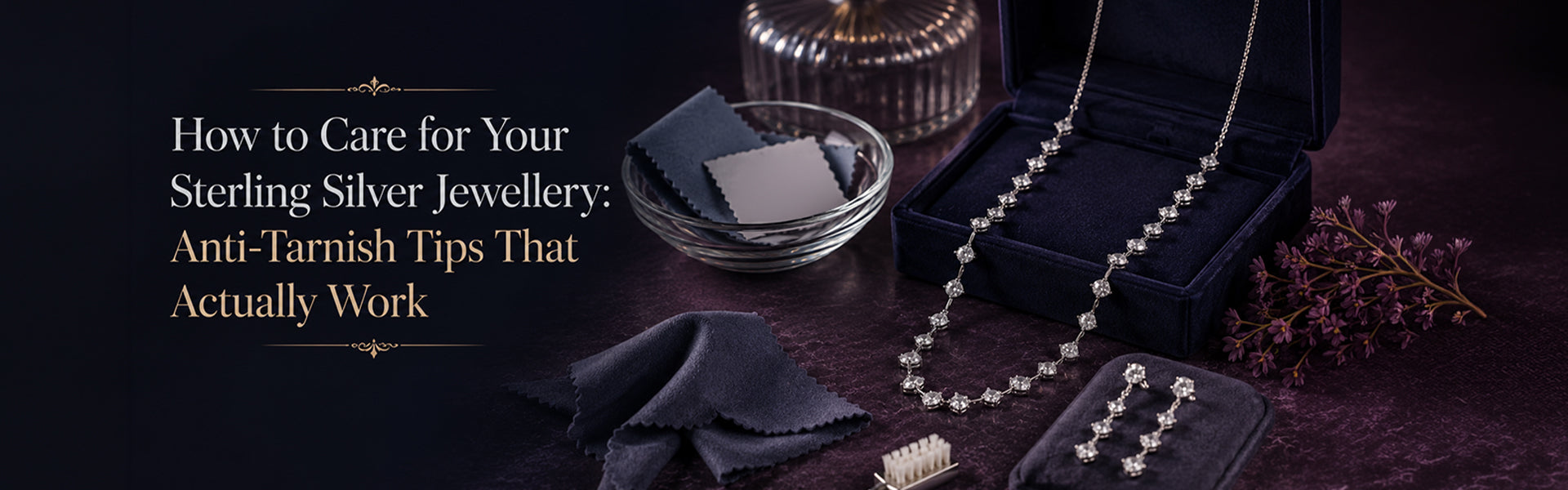
How to Care for Sterling Silver Jewellery: Anti-Tarnish Tips – Touch925
Your Silver Is Not Turning Black Because It Is Fake. Here Is What Is Actually Happening.
This is probably the most common silver jewellery concern in India, and it causes a lot of unnecessary panic. Someone buys a piece of genuine 925 sterling silver, wears it for a few weeks, and then notices it starting to darken. They assume they were sold something fake. They stop wearing it. They leave it in a drawer. And a genuinely beautiful piece of jewellery stops getting used because of a completely normal chemical reaction that is both preventable and reversible.
Silver tarnishes. Even the most genuine, most certified 925 sterling silver tarnishes over time when it is exposed to air, moisture, perfume, and sweat. It is not a defect. It is chemistry. And once you understand what causes it, keeping your silver looking brand new is genuinely not complicated.
Here is everything you need to know.
Why Silver Tarnishes
925 sterling silver is 92.5% pure silver and 7.5% copper. The copper in the alloy reacts with sulphur compounds in the air, a process called sulphidation, which creates that darkening effect on the surface. Humidity, sweat, perfume, body oils, and pollution all speed up this reaction. Delhi's air quality, which carries higher than average pollution and sulphur content, means silver jewellery in Delhi can tarnish faster than in cleaner environments.
This is completely normal. And importantly, it does not mean the silver is low quality. In fact, pure 999 silver tarnishes even faster than 925 because it has no copper to stabilise it, it just oxidises differently. Tarnish is a surface reaction. The silver itself underneath is completely intact.
The Three Golden Rules of Silver Care
The first rule is to put your jewellery on last. Perfume, deodorant, hairspray, and lotion all accelerate tarnishing. Let everything else dry and settle before your silver goes on.
The second rule is to take it off first. Before you wash your hands, shower, swim, cook, or clean with any kind of chemical product, the silver comes off. Prolonged water exposure, soap, and household chemicals are some of the fastest ways to dull silver.
The third rule is to store it right. Silver left out in open air tarnishes faster than silver stored in a sealed environment. More on this below.
How to Store Silver the Right Way
The single most effective thing you can do to prevent tarnishing is airtight storage. When silver is not being worn, it should go into an airtight zip-lock bag, ideally with a small anti-tarnish strip inside, or into an anti-tarnish jewellery pouch. These strips absorb the sulphur compounds in the air before they reach the silver, dramatically slowing down the tarnishing process.
Store pieces separately. Silver scratches against other silver and against harder metals, and those scratches both look bad and create more surface area for tarnish to develop. One piece per pouch or per compartment is ideal.
Keep silver away from rubber, latex, and certain types of wood, all of which off-gas sulphur and accelerate tarnish faster than ambient air alone.
How to Clean Tarnished Silver at Home
If your silver has already darkened, here is the simplest and most effective way to bring it back at home. Line a bowl with aluminium foil, shiny side up. Place your silver pieces in the bowl. Sprinkle a tablespoon of baking soda and a tablespoon of salt over the pieces. Pour in boiling water until the pieces are fully submerged. You will see the tarnish transfer off the silver and onto the foil within minutes. Rinse with clean water and buff dry with a soft cloth.
For lighter tarnish, a small amount of non-gel toothpaste on a soft cloth rubbed gently across the surface also works well. Rinse thoroughly and dry completely afterwards.
The one thing to avoid is any abrasive scrubbing. Silver is a relatively soft metal and scratches easily. Always use soft cloths, never steel wool or rough sponges.
Touch925's Free Lifetime Plating Offer
One of the things that sets Touch925 apart is the free lifetime plating on all silver jewellery. This means if your piece loses its finish over time with regular wear, you can bring it in or send it back for replating at no additional cost. It is a genuine commitment to the longevity of every piece, and it means you never have to worry about a well-worn favourite looking past its prime.
Browse the full collection at https://touch925.com or visit us at Kohat Enclave, Pitampura, New Delhi for in-person care guidance.
Also read detailed care tips at: https://touch925.com/pages/jewellery-care-tip
Frequently Asked Questions
1. How often should I clean my silver jewellery?
For pieces worn daily, a quick wipe with a dry soft cloth after each wear is enough to prevent significant tarnish buildup. A deeper clean with the baking soda method or a silver polishing cloth every two to four weeks keeps frequently worn pieces looking their best. Pieces worn occasionally need cleaning only when tarnish becomes visible.
2. Can I use silver polishing cloths on all Touch925 pieces?
Yes for plain 925 silver pieces. For pieces with stones, oxidised finishes, or intricate engravings, use a softer approach. Polishing cloths can remove the intentional dark finish on oxidised silver, which changes the look of the piece. For stone-set pieces, clean around the stones gently with a soft damp cloth rather than applying pressure directly to the setting.
3. Does Touch925's anti-tarnish treatment last forever?
The anti-tarnish finish applied to Touch925 pieces significantly slows tarnishing but does not prevent it entirely over time, especially with daily wear. This is completely normal. The free lifetime plating offer ensures that whenever the finish needs refreshing, Touch925 takes care of it at no cost.
4. Why does my silver jewellery turn my skin green sometimes?
This is caused by a reaction between the copper in the sterling silver alloy and your skin's natural acidity or pH level. It is harmless, and it does not indicate low quality silver. It tends to happen more in humid weather or when wearing silver for extended periods. Keeping your skin dry where the jewellery sits and cleaning your pieces regularly reduces this.
5. Can I shower with my Touch925 silver jewellery on?
It is best not to. Regular exposure to soap, shampoo, and water accelerates tarnishing over time even on high-quality sterling silver. Taking your jewellery off before showering and storing it properly is the single most effective thing you can do to extend how long it stays looking new between cleans.