Silver Elephant Symbolism and Significance in Vastu Traditions
Introduction
Across many cultural traditions, the elephant has long been admired as a symbol of wisdom, strength and stability. Because of its calm nature and impressive presence, the elephant often represents qualities such as patience, intelligence and resilience.
In Indian cultural contexts, the elephant carries deeper symbolic meaning connected with prosperity, protection and spiritual awareness. These associations have appeared in mythology, temple architecture and artistic traditions that developed over centuries.
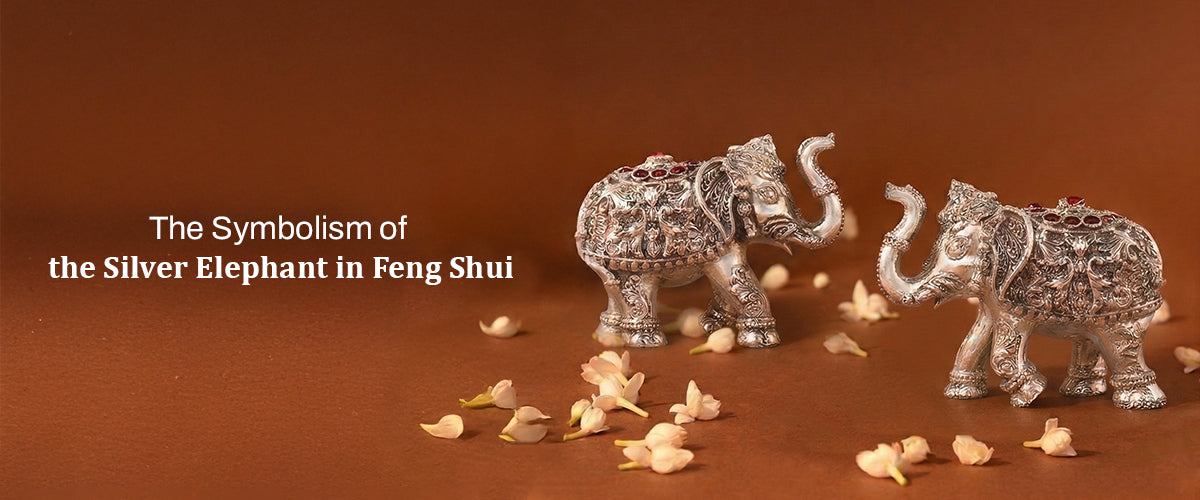
Because of this cultural significance, elephant figures have frequently appeared in sculptures, carvings and decorative objects created by skilled artisans. Today these symbolic forms continue to inspire traditional craftsmanship, including sculptures crafted from precious metals such as 999 silver.
A silver elephant sculpture reflects both artistic craftsmanship and cultural symbolism, which is why it is often appreciated as a meaningful decorative object as well as a thoughtful gift.
The Meaning and Symbolism of the Silver Elephant
The silver elephant is often interpreted as a symbol of wisdom, strength and stability. Elephants themselves have long been admired for their intelligence, strong memory and calm temperament.
In many cultural interpretations, the elephant represents thoughtful leadership and resilience. Its steady movement and powerful presence have contributed to its association with perseverance and balance.
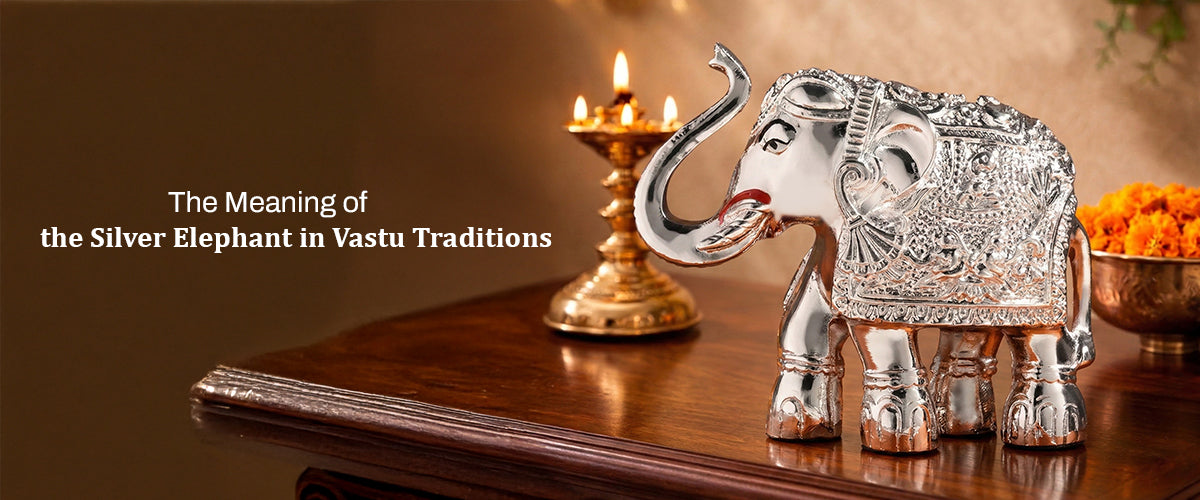
When represented as a silver elephant sculpture, the symbolic meaning of the animal is combined with the elegance of metal craftsmanship. Silver allows the features of the elephant to be expressed with intricate detail, highlighting the graceful form of the figure.
Because of these qualities, the silver elephant continues to appear in decorative art and symbolic sculptures across many cultural traditions.
Elephant Symbolism in Hindu Culture
The elephant holds a special place in Hindu cultural and spiritual traditions. One of the most widely recognized representations is Lord Ganesha, the elephant-headed deity who symbolizes wisdom and new beginnings.
In many interpretations, Ganesha represents knowledge, awareness and the removal of obstacles. Because of this association, the elephant became closely connected with prosperity, intelligence and spiritual insight.
Elephants also appear in ancient Indian texts and temple carvings as symbols of royal power and protection. In traditional architecture, elephant sculptures are sometimes depicted supporting temple entrances or appearing in ceremonial processions.
These artistic and mythological representations reflect the cultural respect that elephants have received throughout Indian history.
The Silver Elephant in Vastu Traditions
In Vastu Shastra, a traditional system of architecture and spatial harmony, certain symbols are sometimes associated with balance and positive energy within a home.
Within these traditions, the elephant is often interpreted as a symbol of strength, stability and protection. Because of its grounded presence, the elephant may be associated with qualities such as resilience and harmony.
In discussions related to elephant vastu, decorative elephant figures are sometimes mentioned as symbolic objects placed within homes or workspaces. These interpretations are based on traditional beliefs that connect animal symbolism with spatial balance.
A silver elephant sculpture may therefore appear as a decorative element that reflects cultural symbolism as well as artistic craftsmanship.
However, Vastu practices vary widely across regions and households. For many families, the most important consideration is choosing objects that create a sense of harmony and comfort within living spaces.
Elephant Figures in Homes and Decorative Spaces
Decorative objects often reflect the cultural stories and symbolic meanings that people value in their surroundings.
The elephant is a motif that appears frequently in home décor because of its associations with wisdom, protection and stability.
Across India artisans have traditionally crafted sculptures using materials such as stone, brass, copper and silver. These materials allow detailed forms to be created while maintaining durability and artistic elegance.
Elephant sculptures may be placed on shelves, tables or display spaces as part of decorative arrangements. In some homes they are also included in areas used for reflection or prayer.
Rather than being viewed purely as decorative objects, these sculptures often represent cultural traditions and symbolic meanings that have been passed down through generations.
Silver Elephant Sculptures and Traditional Silver Gift Items
Metal craftsmanship has long played an important role in the creation of decorative and ceremonial objects across Indian cultural traditions.
Artisans have used metals such as brass, copper and silver to shape sculptures that combine artistic beauty with symbolic meaning. Silver in particular allows intricate designs to be highlighted while maintaining durability.
Among these creations, silver elephant sculptures showcase the delicate craftsmanship involved in shaping symbolic figures in metal. When crafted from 999 silver, these sculptures reflect both artistic skill and the purity associated with fine silver.
Because of their cultural symbolism and artistic appeal, silver elephant sculptures sometimes appear among traditional silver gift items created by skilled artisans.
During occasions such as housewarming ceremonies, weddings and festivals, decorative objects made from precious metals are often chosen as meaningful silver gifts.
Among many silver gift items, symbolic sculptures such as the silver elephant are appreciated not only for their decorative appeal but also for the cultural meaning they represent.
A Symbol That Endures
The elephant has remained a powerful symbol across centuries of mythology, art and cultural tradition.
Representing wisdom, strength and stability, the elephant reflects values of patience, resilience and thoughtful progress.
Through temple architecture, storytelling and decorative craftsmanship, the image of the elephant continues to inspire artistic expression.
Whether appearing in traditional carvings or handcrafted objects such as silver elephant sculptures, this enduring symbol reflects the timeless connection between cultural heritage and artistic creativity.
FAQ
What does a silver elephant symbolize?
A silver elephant is commonly associated with wisdom, stability and strength. The elephant itself has long been regarded as a symbol of intelligence and resilience.
What is the meaning of elephant vastu?
In discussions of elephant vastu, the elephant is often interpreted as a symbol of protection, stability and balance within a space.
Why are elephants important in Hindu culture?
Elephants are closely associated with Lord Ganesha, the elephant-headed deity who represents wisdom, knowledge and new beginnings.
What is 999 silver?
999 silver refers to silver that contains 99.9 percent pure silver and is commonly used in fine decorative sculptures and objects.
Can silver elephant sculptures be given as gifts?
Yes. Decorative sculptures made from precious metals are often chosen as meaningful silver gifts or traditional silver gift items for special occasions.
Why are elephant figures used in home décor?
Elephant sculptures are often appreciated for their symbolic associations with wisdom, protection and stability.